Regional Coin Style Divergence as Evidence of Economic Fragmentation
When an economic world starts breaking apart, its coins may stop looking like each other long before anyone writes down that the economy has changed...
This section of the blog uses coins to
come up with Economic questions
and uses methodologies revolving
around coins to answer them.
Each week, one article is featured for its clarity, rigor, and insight. This analysis represents the most compelling current hypothesis explored on NumisNova, using ancient coinage as empirical evidence to understand monetary behavior, circulation, or economic stress in past societies.
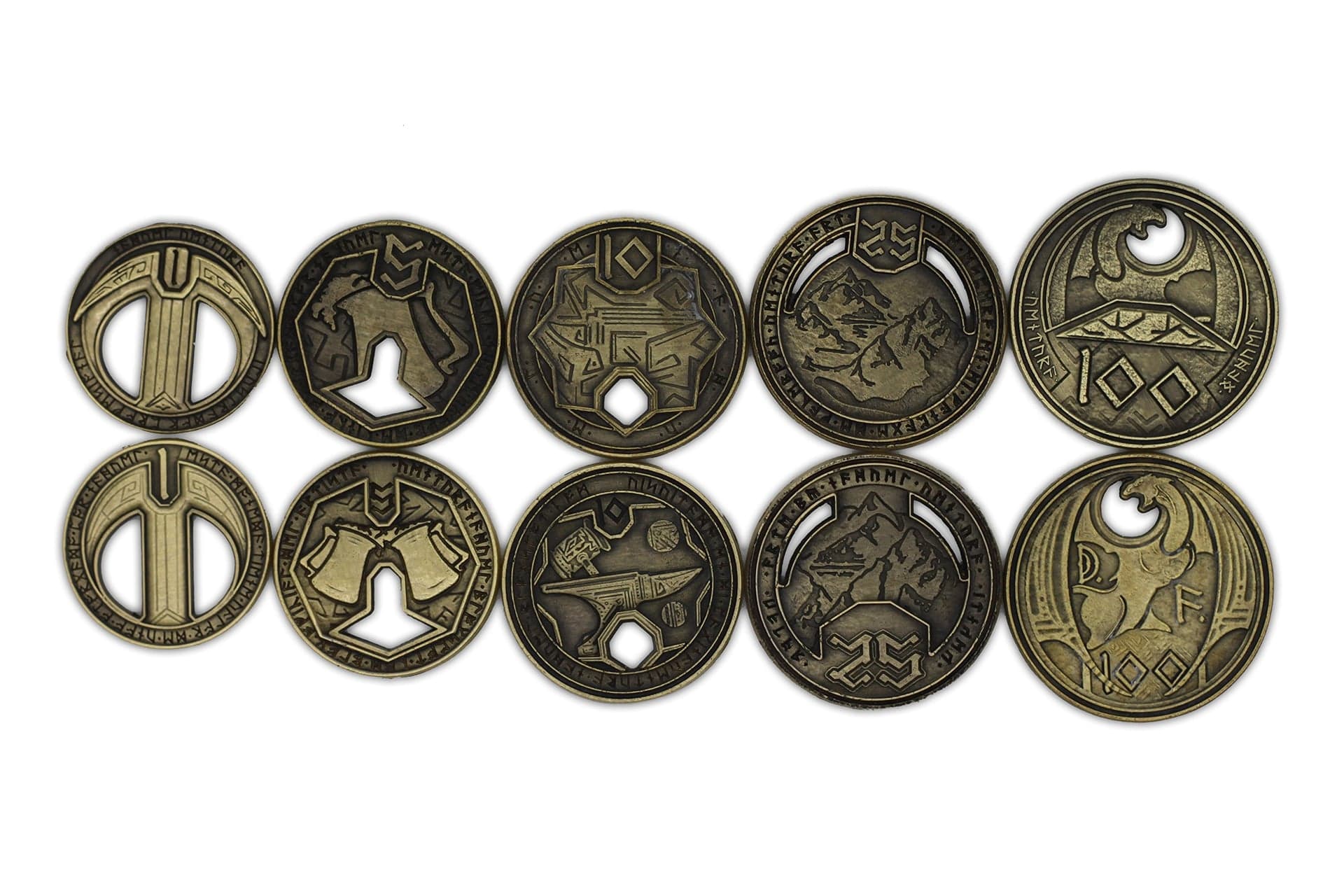
A coin can be politically obsolete before it is physically obsolete. When a new authority takes power, overstriking existing coins becomes one of the most revealing economic and political responses to disruption...
This section outlines how ancient coins are used as economic data. Rather than treating coins as isolated artifacts, NumisNova applies comparative, quantitative, and contextual methods to test hypotheses about circulation, monetary trust, inflation, and state policy in ancient economies.

Coin hoards are treated as economic snapshots rather than accidental discoveries. By analyzing their composition, location, and chronology, this method examines circulation, intensity, regional integration, and moments of economic stress across ancient markets.

Changes in metal content, weight standards, and mint output are used to study state responses to fiscal pressure. This approach tests how debasement affected trust, inflation, and the long-term credibility of ancient monetary systems.

Numismatic evidence is powerful but incomplete. This method explicitly addresses gaps in survival, excavation bias, and historical context, distinguishing between what coins can reliably reveal and where conclusions must remain cautious.